- Heritage & Antiquities Act Listings
- 2. Monuments
- General
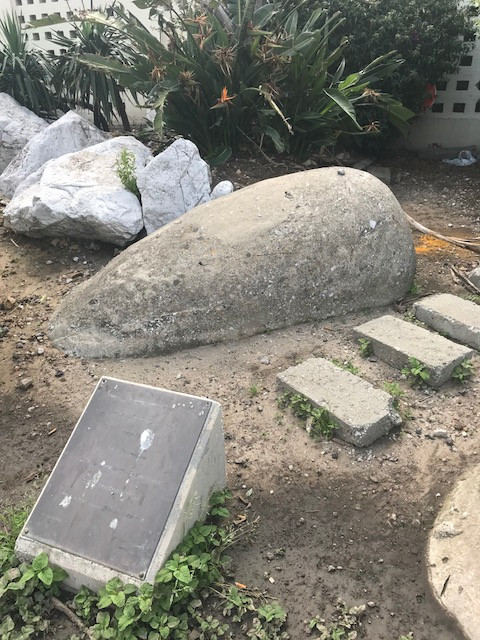
- Anti-Tank Teeth
Anti-Tank Teeth
Ref: HLMP2/005
Anti – Tank Teeth also known as Dragon’s Teeth were square-pyramidal fortifications of reinforced concrete first used during the Second World War to impede the movement of tanks and mechanised infantry. However, in Gibraltar a number of peculiar snail-shaped blocks were used which are rare for British fortifications, and are possibly unique.
Placing these obstacles on the edge of a purposely built anti-tank ditch meant the enemy could be slowed down and tanks channelled into killing zones where they could easily be disposed of by strategically placed anti-tank weapons. These ditches, called Devil’s Dykes were built by members of the Black Watch Regiment stationed in Gibraltar from 1940-43, at the height of Operation Felix, the expected storming of Gibraltar by German troops.
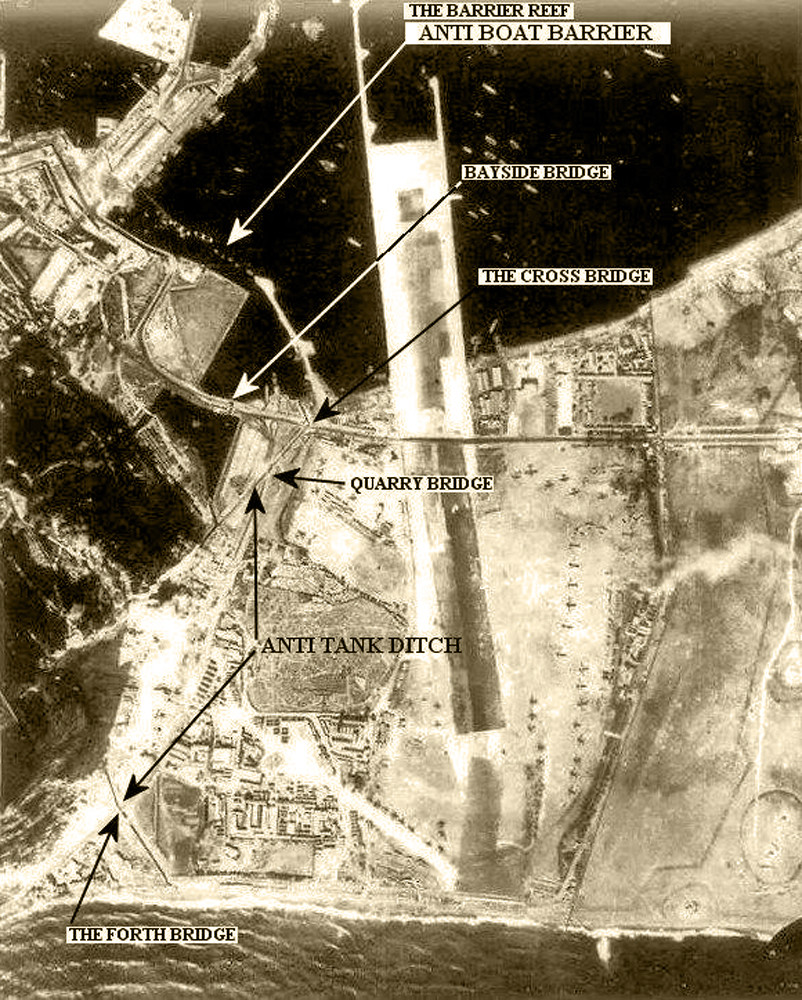
North Front Caledonian Canal 1940's.
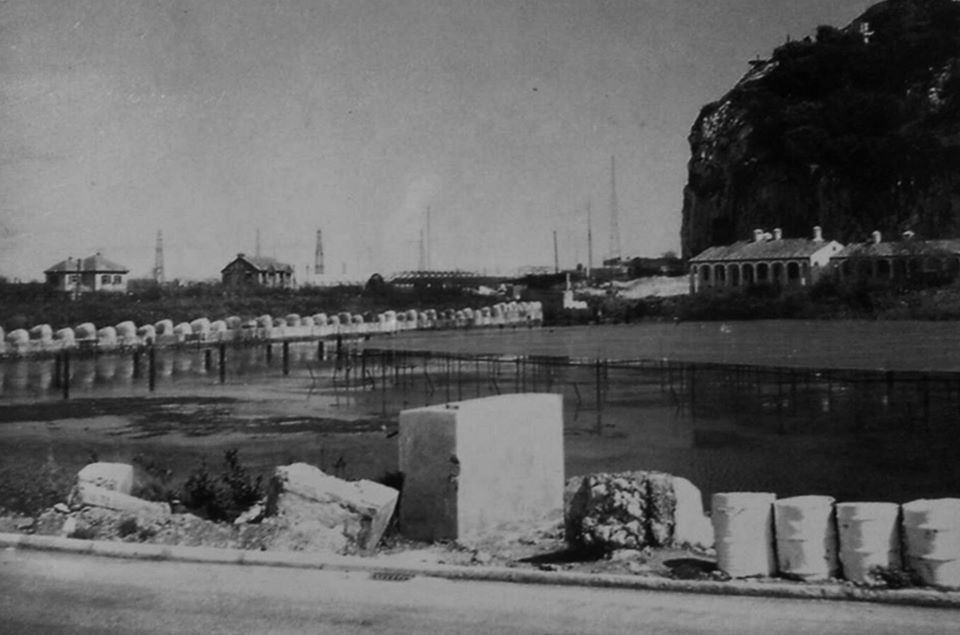
View of the anti-tank defenses the Dragon's Teeth by the old Laguna or inundation as seen from the causeway during WWII.
The Black Watch built two main defensive dykes, which the Black Watch called Caledonian Canals. One such tank trap cut across the eastern section of the isthmus from the Rock’s North Face to Eastern Beach, defended by pill-boxes still extant at the entrance to Eastern Beach on one side and McFarlane’s Gallery and other positions manned by the Black Watch Regiment on the North Side. The only vehicle entry point into the East Side was dubbed the Forth Bridge.
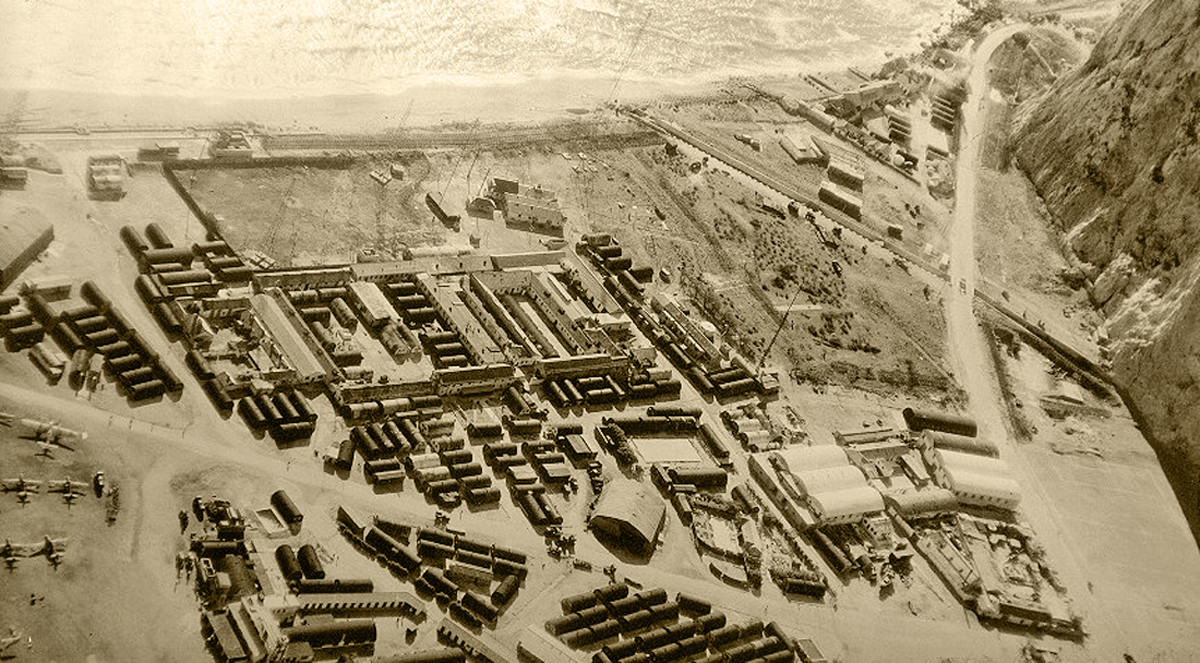
Devil's Dyke Caledonian Canal East side.
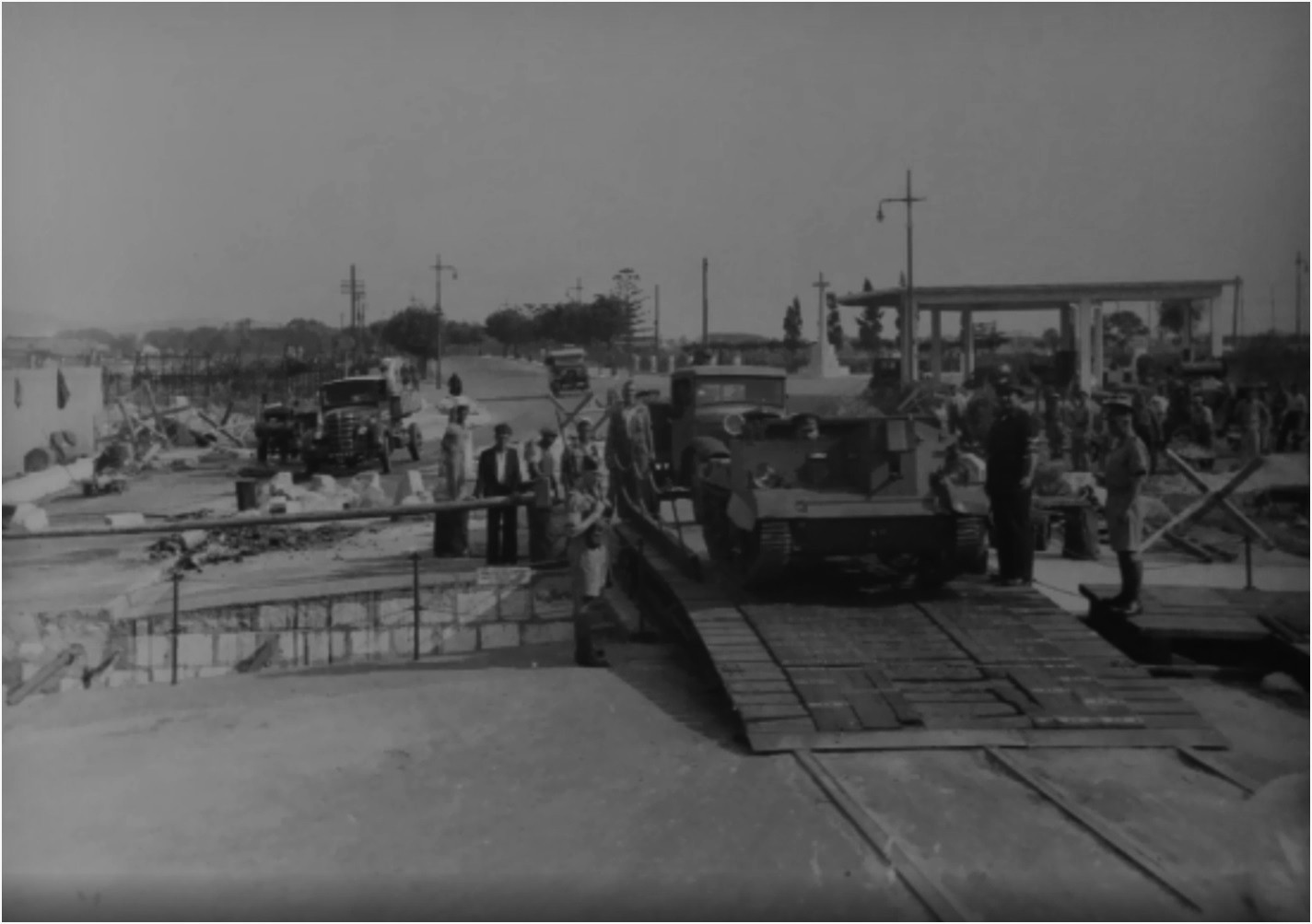
A British Army Bren Carrier crossing a bridge over the moat by Bayside Barrier in the early stages of the Second World War.
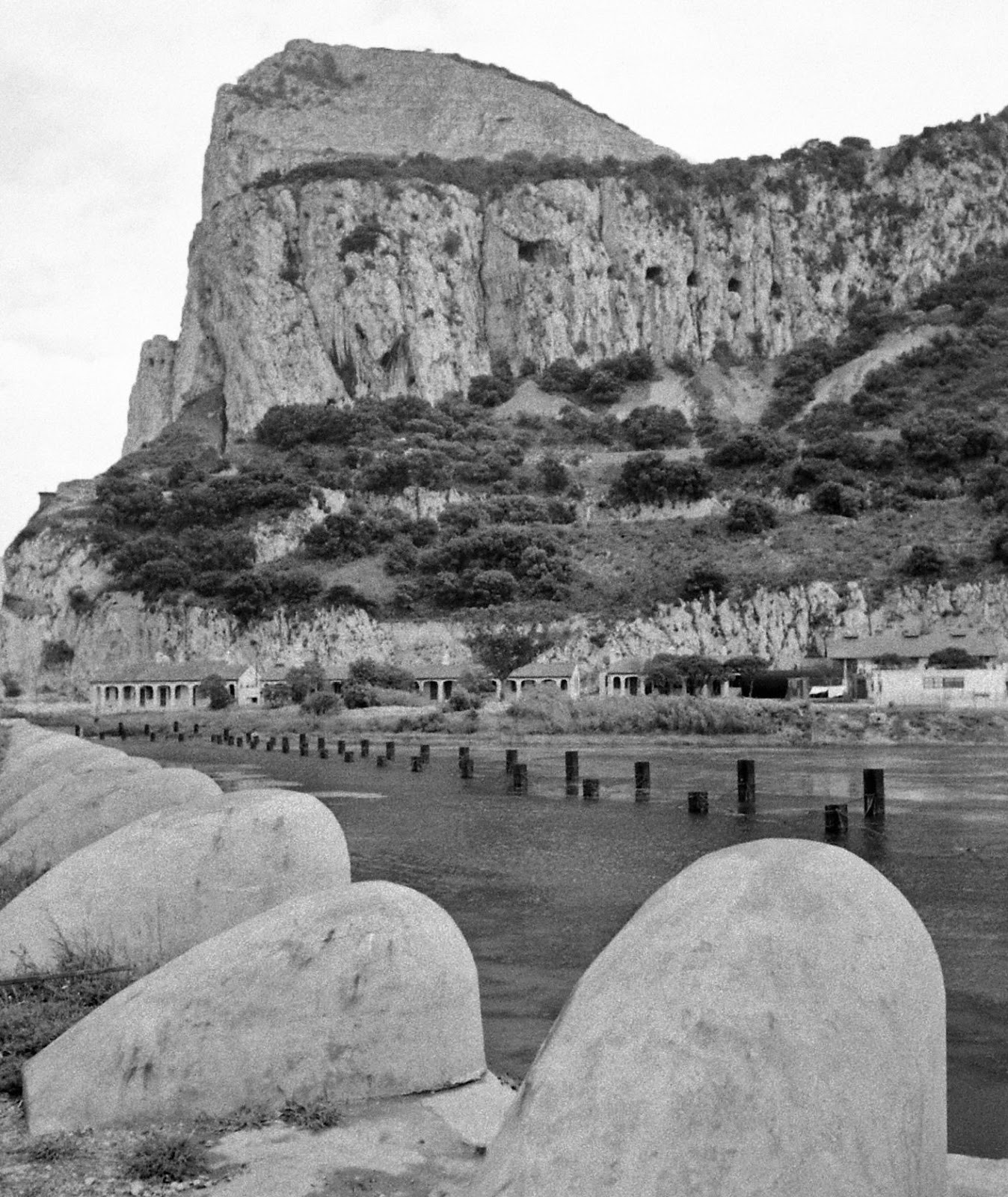
Dragon's Teeth the old WWII anti-tank defenses by the Laguna facing towards the Rock Northern Defenses in 1948.
On the Western side of the isthmus along a line stretching from the present Cross of Sacrifice to the North Face of the Rock on the one side and to bay side to the West stood the second line of Dragon’s Teeth and dyke. Access through this line was by two entry points – the Cross Bridge and Quarry Bridge. A number of WWII pill-boxes along the Northern Defences were built to reinforce this line.
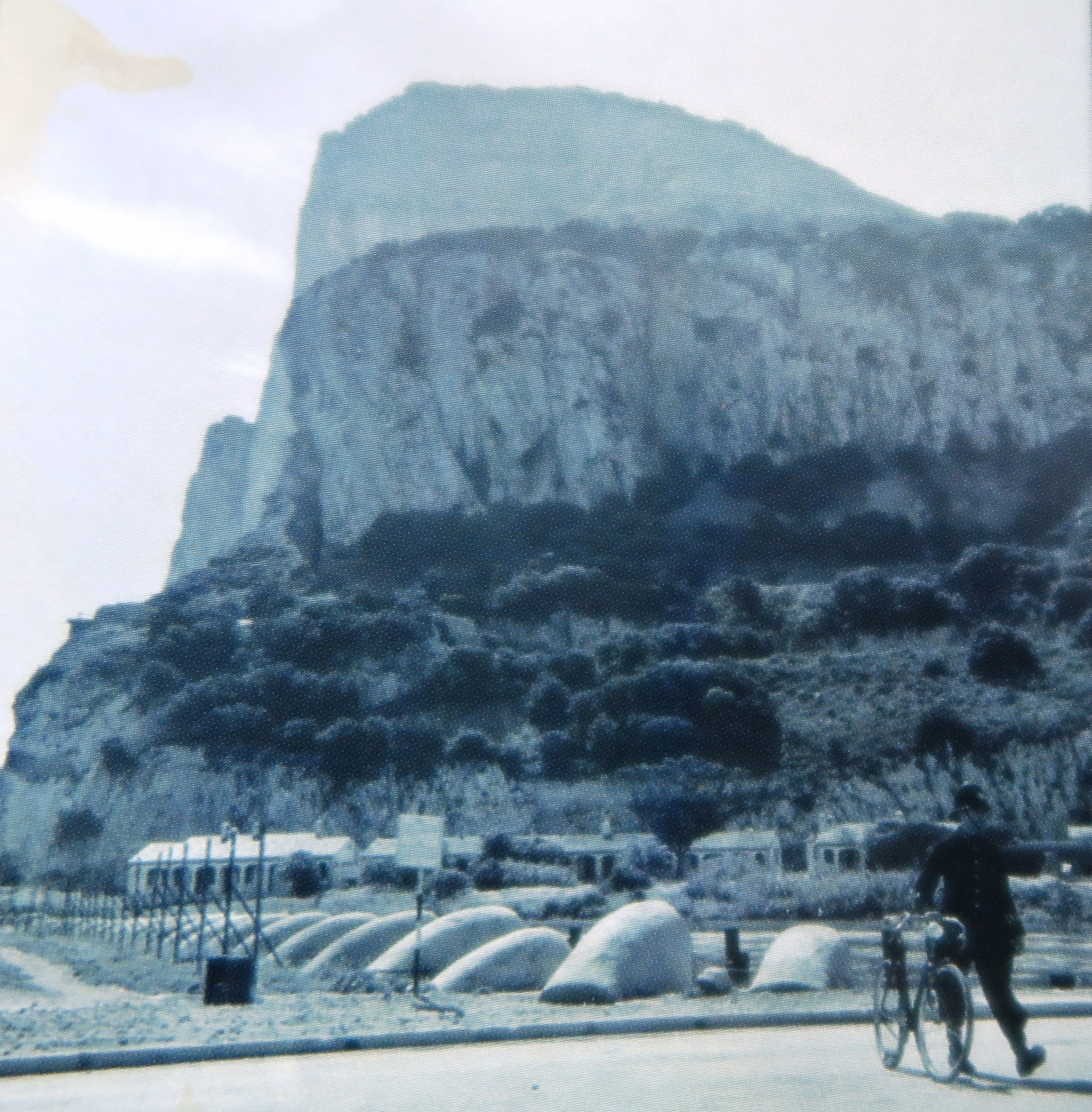
WW2 Anti-tank blocks covering the land approach near the Cross bridge, 1940's.
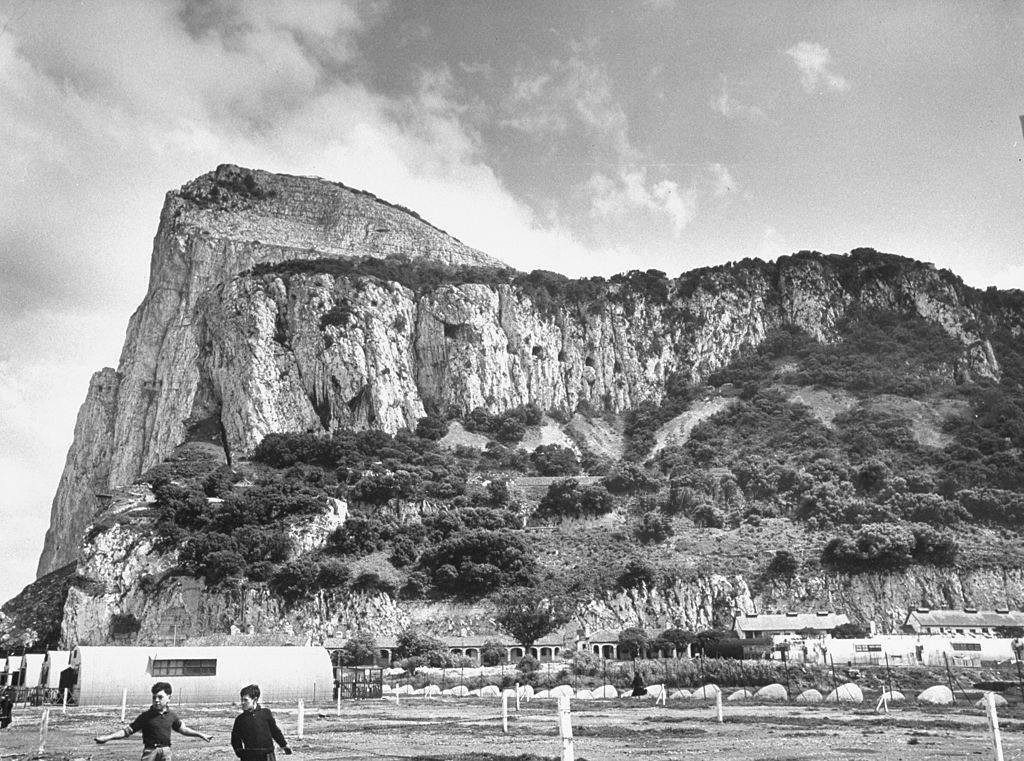
Anti Tank teeth and the Cross of Sacrifice Nissen Huts circa 1950's.
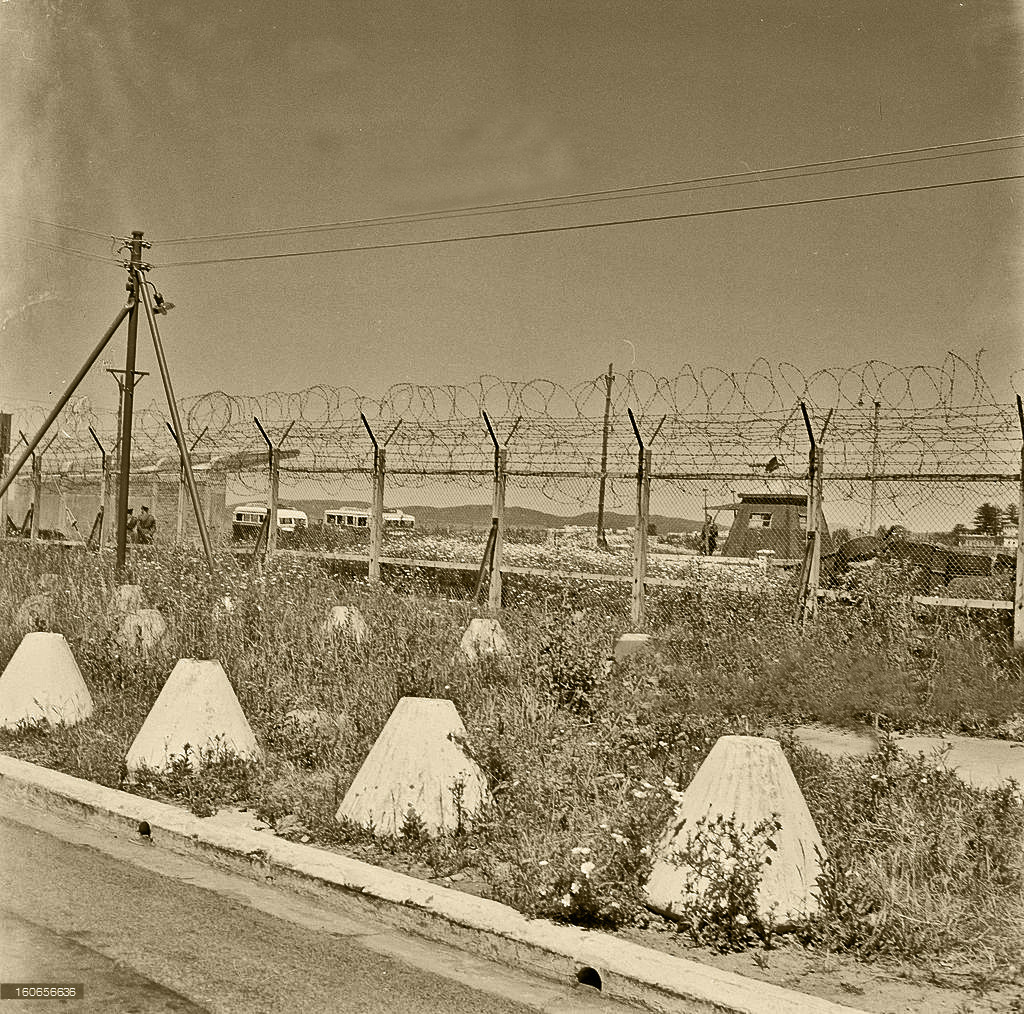
Walter Carone anti-tank teeth near Spanish border fence 1954.
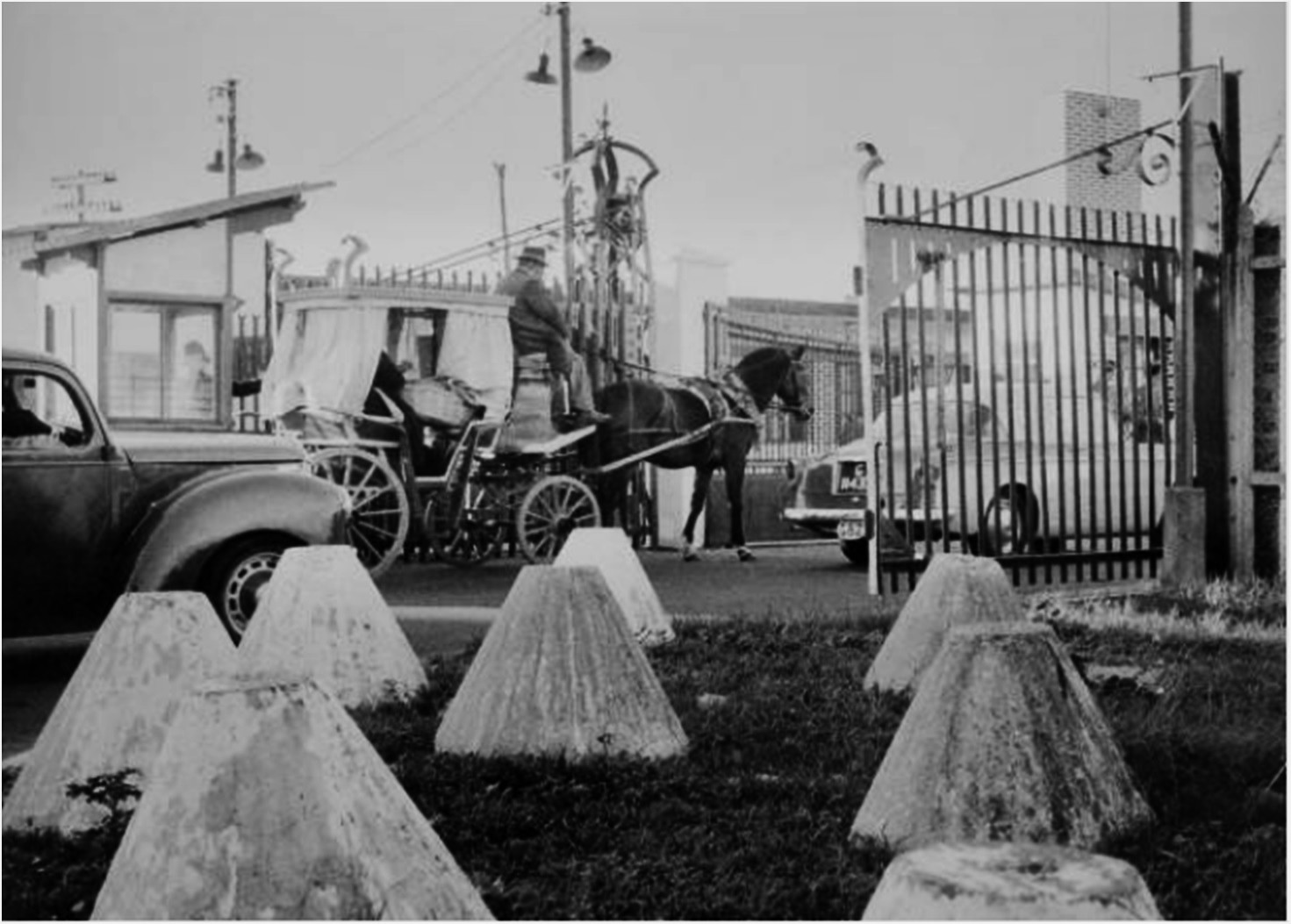
World War two anti-tank defenses by the frontier gate in 1958.
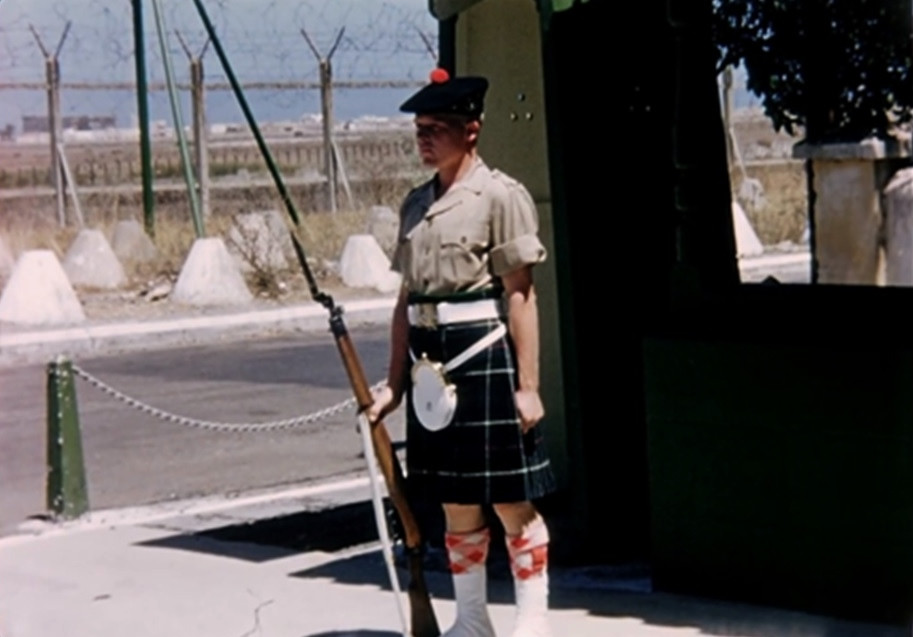
A Seaforth Highland Regiment sentry on duty at the Four Corners Guard House at the frontier, circa 1955. The anti-tank obstacles can be seen in the background.
After WWII, these anti-tank teeth were gradually removed with the last ones being removed in the early 1980’s, but two snail-shaped anti-tank teeth next to Sortie House in Laguna Estate have been retained and serve as a lasting monument to Gibraltar’s formidable anti-tank defences during WWII.
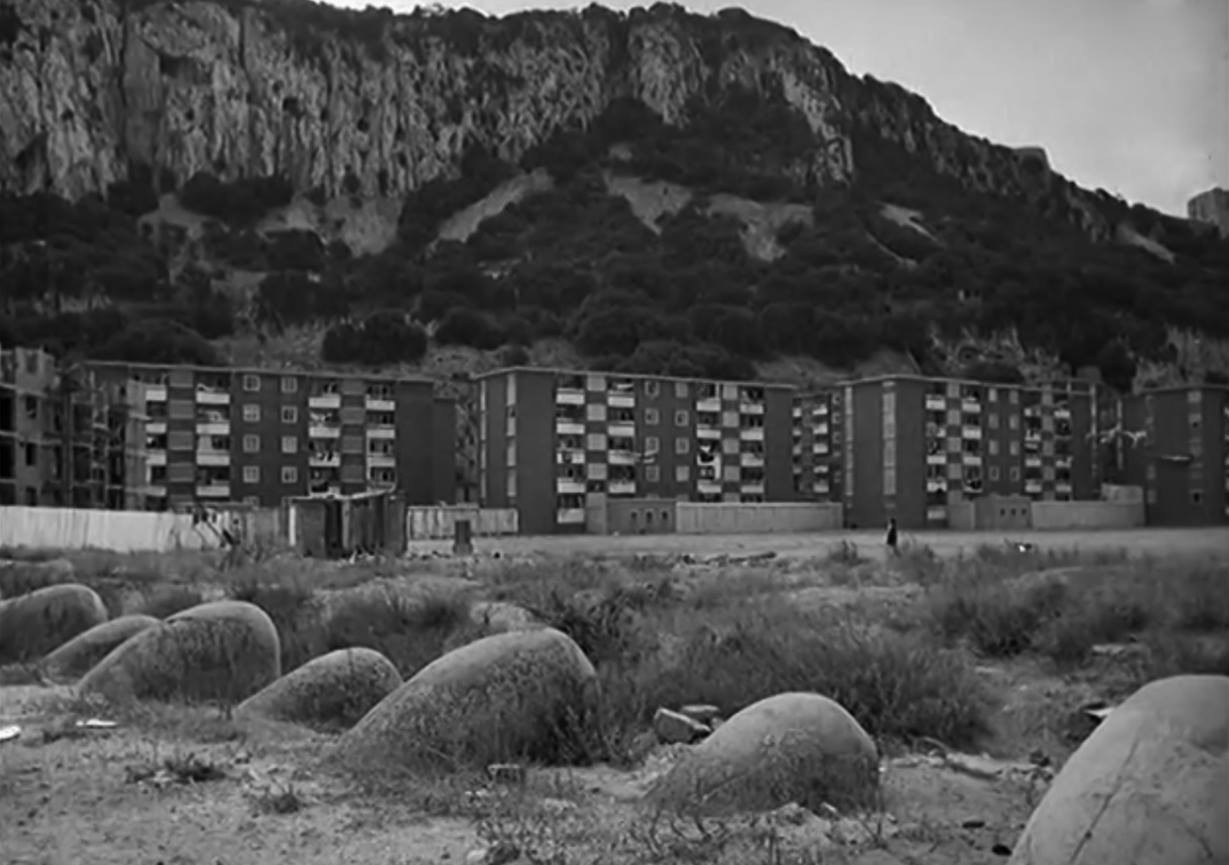
Laguna Estate in 1964, with anti-tank defenses dating from the Second World War in the foreground.
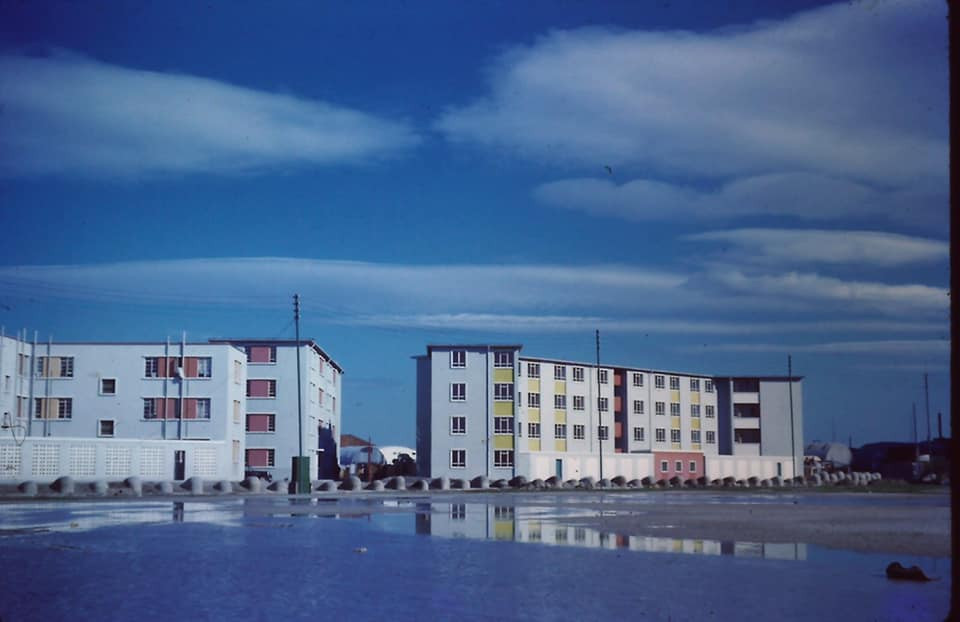
Early colour photo of Laguna Estate with WWII anti-tank defences still visible circa 1970's.