- Education
- The Great Siege
- The Sortie of 27th November 1781
The Sortie of 27th November 1781
Ref: Schools
For two years, Spanish and French engineers had been slowly building up their lines across the narrow strip of land, called the isthmus, hoping to launch a big land attack on Gibraltar. They believed the British defenders were too weak to fight back. The Spaniards named their front lines “La Línea de la Concepción”, which is where the modern town of La Línea gets its name. Their main army camp was at Campamento, and only a few sentries guarded the advanced lines near Forbe’s Barrier.
The Attack Plan
On 27th November 1781, Governor Eliott ordered a sortie—a surprise attack—against the poorly defended Spanish lines. Eliott did not command the troops himself because he was too valuable as Governor. Instead, Brigadier Ross led the attack.
About 2,000 British soldiers gathered at Red Sands (Grand Parade). Each soldier was given 36 rounds of ammunition, a good flint in their weapon, and another flint in their pocket.
The soldiers marched out of Landport Gate in three columns. Their goal was to storm the enemy lines, hold them off, and allow the artillery and engineers to destroy the Spanish guns, batteries, and magazines. The demolition teams, which included civilian volunteers, carried axes, crowbars, sledgehammers, spikes, and fire-making devices to destroy the enemy defences.
The Attack
The sortie began at 2:45 a.m. General Eliott could not resist watching and followed the troops as a spectator, which annoyed Brigadier Ross!
The few Spanish soldiers defending the lines fled quickly, so the British demolition teams were able to destroy the enemy guns and fortifications with almost no opposition.
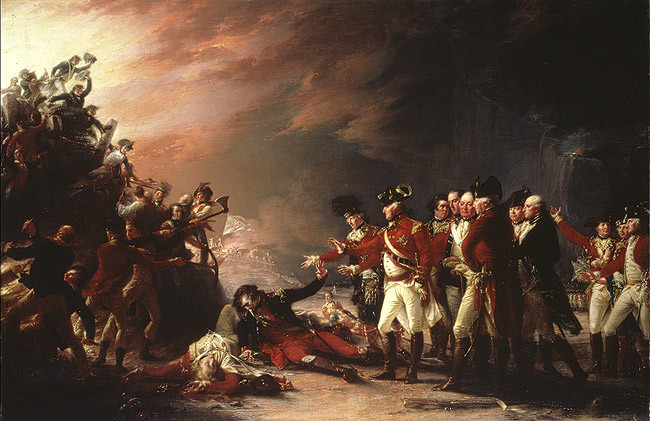
Not all Spaniards ran away. One brave Spanish officer, Don Jose de Barboza, was mortally wounded while staying at his post. He refused help as he lay dying. General Eliott was so moved by his courage that he ordered a Guard of Honour to protect him as he died. This moment was later captured in a famous painting by John Trumbull in 1789, showing Barboza refusing help from Eliott.
Aftermath
The British soldiers returned safely to Gibraltar after completing their mission. Casualties were very light:
- 4 killed
- 25 wounded
- 1 missing
The sortie was a big success, destroying important enemy positions and showing that Gibraltar’s defenders could fight back effectively.
Worksheet 6 - The Sortie of 27th November 1781
A. Multiple Choice
1. Why did the Spanish and French believe they could attack Gibraltar easily?
a. They thought the British were too weak
b. They had more cannons than the British
c. They had more soldiers than the British
d. They had help from Morocco
2. Who led the British troops during the sortie?
a. General Eliott
b. Brigadier Ross
c. Sergeant Major Ince
d. Admiral Rodney
3. How many soldiers marched out of Gibraltar to attack the Spanish lines?
A. 500
B. 1,000
C. 2,000
D. 5,000
4. What did the demolition teams carry to destroy the enemy lines?
a. Ladders and ropes
b. Axes, crowbars, sledgehammers, spikes, and fire-making devices
c. Only guns and cannons
d. Shovels and pickaxes
B. True or False
- The sortie began at 2:45 in the morning. True / False
- General Eliott commanded the troops directly during the attack. True / False
- Don Jose de Barboza refused help while dying at his post. True / False
- The British suffered heavy losses during the sortie. True / False
C. Fill in the Blanks
- The Spanish front line was called “________ de la Concepción”.
- The British soldiers assembled at ________ (Grand Parade) before marching out.
- Each soldier was given ________ rounds of ammunition and a flint.
- The sortie resulted in ________ killed, 25 wounded, and one missing.
- The famous painting of Don Jose de Barboza was painted by ________ in 1789.
D. Short Answer Questions
a. Why did General Eliott not lead the troops himself?
b. What was the main goal of the British soldiers during the sortie?
c. How did the British demolition teams destroy the Spanish positions?
d. Why was Don Jose de Barboza remembered as brave?
E. Extension Activities
Map Activity:
You are Lt. General Eliott. Draw a simple map showing Landport Gate, , Forbe’s Barrier, and the nearest Spanish trenches on the isthmus. Show the direction of the British troops for the sortie.
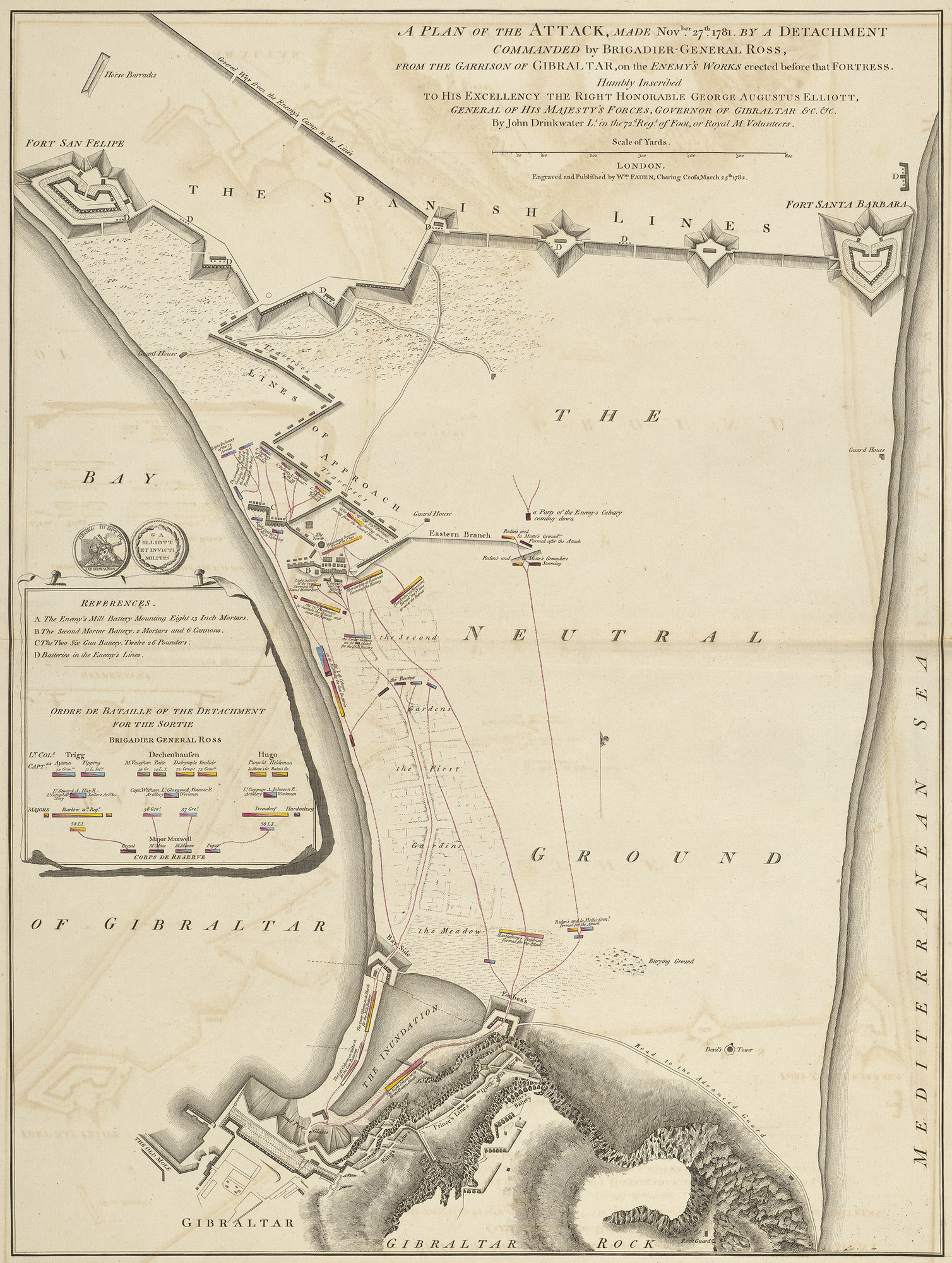
A plan of the sortie by William Faden, 1781.
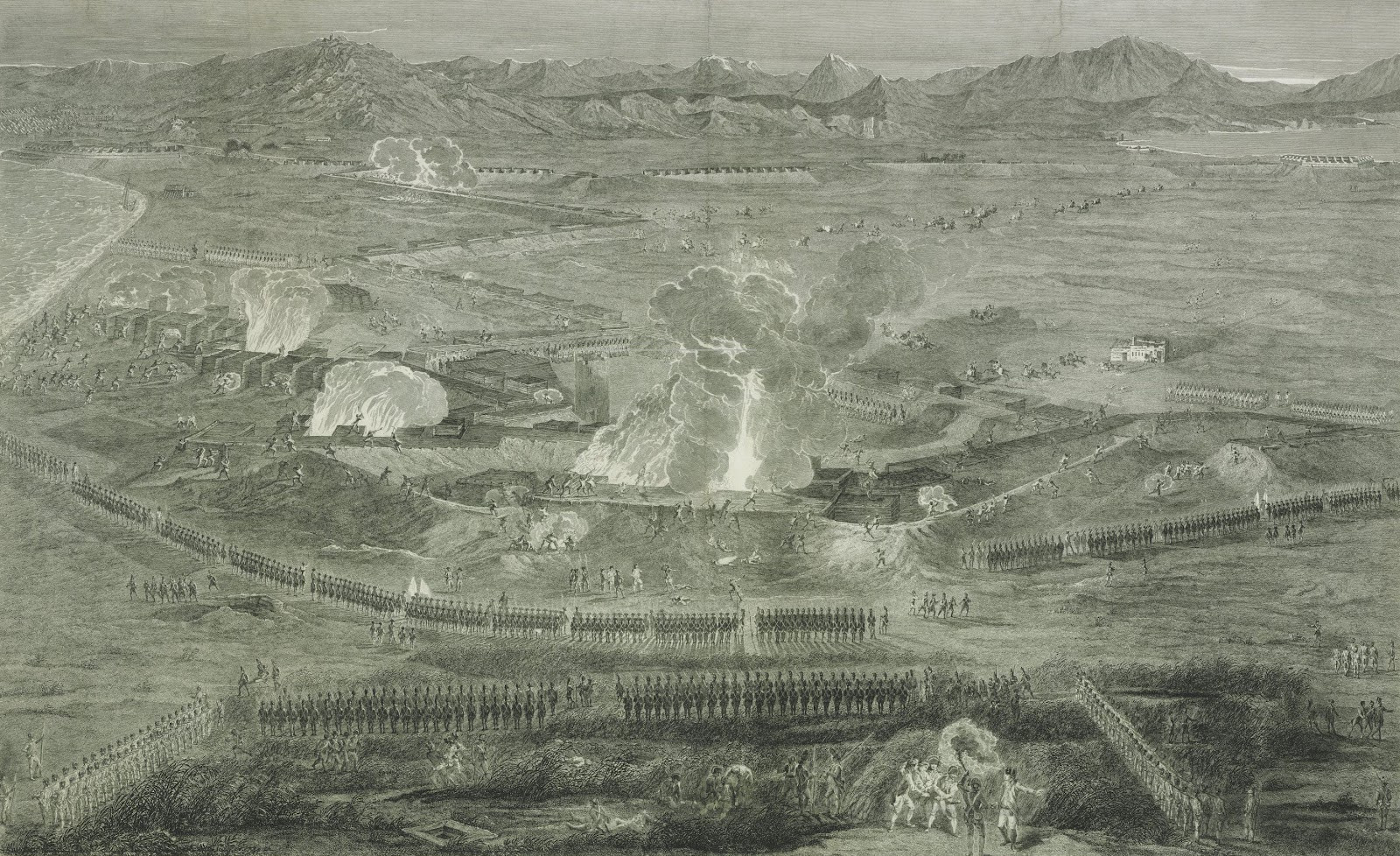
Benjamin Thomas Pouncy engraving of the Sortie based on Poggi's work, 1781.
Le Sortie de la garnison de Gibraltar dans la nuit du 27 novembre 1781.